

Packaging has a massive footprint, but the next step forward in sustainable packaging is not only eco-friendly, but an entirely organic, living material. As industries are under increasing pressure to eliminate single-use plastics, another eco-innovation solution, mycelium packaging, emerges from the ground.
Explore how this organic alternative is capable of replicating traditional Styrofoam and harmful plastic packaging.
What is Mycelium Packaging?
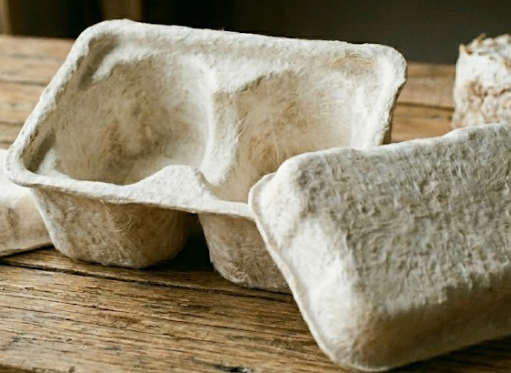
Mycelium packaging, also referred to as mushroom packaging, is an innovation in sustainable packaging which instead of just being manufactured in factories, is grown by harnessing the natural engineering of fungi. It is quickly growing into the premiere organic alternative to petroleum-based Styrofoam and single-use plastics.
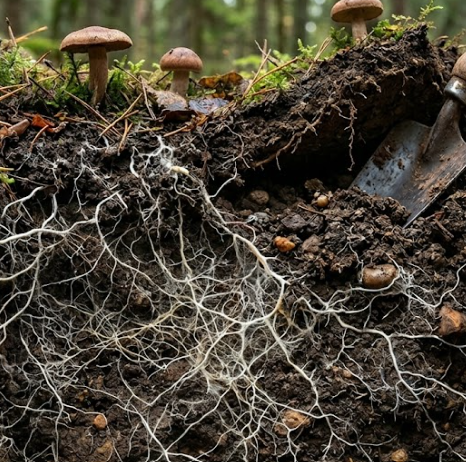
This eco-friendly packaging is made with mycelium, an unseen, incredibly intelligent root structure of mushrooms. Known as the nature’s “Wood Wide Web”, it exists underground as a vast network of microscopic, branching threads (hyphae). Mycelium does a great deal underground by acting as the ultimate recycler, breaking down dead organic matter and turning it into nutrient-rich soil. When adapted for human use, it does an equally incredible job. It acts like a natural glue, binding organic matter (like hemp herds, seed hulls, or corn stalks) together, and grows into a highly durable, shock-absorbent material that perfectly cushions fragile items like electronics, glassware, and cosmetics, called mycelium packaging. But the job doesn’t end there. While traditional Styrofoam lingers in landfills for centuries, mycelium packaging can simply be broken up and coughed into a home compost bin or garden. It completely biodegrades within just 45 days, allowing the material to fulfil its original role as a “bio-contributor” that feeds the earth and leaves behind nothing but nutrient-rich soil.
The manufacturing of mycelium packaging has a five-day growth cycle. The material requirements zero electricity or artificial light, which drastically lowers the manufacturing carbon footprint compared to standard paperboard or plastic operations. It goes under the heat-curing stage which completely deactivates the fungus, and there are no live spores or active microbial components left behind. The resulting structure is naturally breathable and doesn’t allow internal moisture condensation, which is a major benefit for fresh produce and food logistics.
Innovation in biodegradable packaging is proof that we don’t have to choose between protecting our products and protecting the planet, and mycelium packaging is a strong option in this. Choosing mycelium is a simple, powerful step towards a future where our packaging safely gives back to the earth instead of cluttering it.
Ideal Applications: Where it Works?
Because mycelium packaging can be custom grown into precise shapes, it fits packaging design needs perfectly. Based on its capabilities and performance, here is where this eco-innovation works best:
-
Heavy Tech & Consumer Electronics
Transportation of fragile, and valuable electronics needs excellent shock absorption. Given its compressive strength of 0.5 MPa and its density structure resembling synthetic foams, mycelium packaging creates a compact matrix capable of efficiently dissipating energy from falling objects. It is for this reason that these mushroom cushions are being used by tech leaders, such as Dell, to protect heavy, sensitive enterprise servers during transit.
-
Wine & Glassware Cradles
The beverage industry is under frequent need of single-use plastic and Styrofoam corners guards as well as shipping jackets to prevent breakage. Mycelium packaging is molded into precise rigid shipping cradles and corner blocks to provide superior impact protection and become a high-performance, sustainable alternative to traditional plastic waste. It protects glass materials from transit vibrations, allowing a premium unboxing experience for brands.
-
Cosmetics & Eco-Luxury Retail
Premium beauty, skincare, and cannabis brands are highly motivated by consumer demand to remove plastic presentation trails from their products. Mycelium packaging stands out as an ideal solution as it has a velvet-like, organic texture which allows brands to maintain a clean, unique aesthetic, and instantly indicate their authenticity and commitment towards sustainability.
-
Appliances and Corner Protectors
Large global retailers, who care about the planet, such as IKEA, have turned to sustainable packaging solutions to replace single-use plastics, and mycelium packaging stands as a strong preferred option. They use mycelium blocks to replace plastic foam edge-protectors for flat-pack furniture and appliances. As the material can be grown locally anywhere in the world using regional agricultural scrap, it eliminates the high shipping costs and massive warehouse space required to store bulk, prefabricated Styrofoam blocks.
BOTTA EcoPackaging offers mycelium blocks and corner protectors designed to replace plastic foam edge-guards. Visit: https://www.botta.it/en/products/eco-packaging/eco-inner-packaging/eco-mushroom-cushioning/
-
Temperature-Sensitive & High-Humidity Supply Chains
Mycelium is naturally equipped with thermal insulation properties and built-in moisture resistance. This allows the packaging to withstand high levels of moisture in air (up to 75% relative humidity). Consequentially, mycelium packaging is an excellent choice for shipping temperature-sensitive retail items, such as luxury artisan candles, premium skincare oils, pharmaceutical products that might otherwise melt or degrade into standard containers made with complex and harmful chemical composition.
-
Safe Trays for Fresh Produce
Mycelium packaging can be made entirely food-safe when grown on clean, organic substrates using non-toxic mushroom species like Oyster. In fact, these mycelium structures are already recognized as food-safe under regulatory frameworks like the FDA’s Title 21 CFR. This is a massive eco-innovation for grocery stores and fresh produces packaging. Buying food in a mushroom tray creates the ultimate zero-waste loop: the packaging grows from nature, protects our food, and turns right back into healthy soil.
Verify Before Switching: A B2B Checklist
Integrating mycelium into your supply chain is a powerful statement of commitment towards sustainability. Before taking a step towards sustainable packaging and transitioning away from harmful plastic and Styrofoam packaging materials, the following checklist must be reviewed.
-
The Application & Formulation Fit
Mycelium is an organic, cellular structure, and therefore, its interaction with your product matters.
Is the formulation wet or dry? Mycelium is an excellent fit for secondary or transit packaging (like cushioning fragile glassware, perfume bottles, or skincare jars) but is not naturally well-suited for direct contact with liquids. For direct contact with wet products, it requires additional barrier treatments like vegetable waxes (carnauba, candelilla) or natural oils.
Does it require specific structural properties? The final density, rigidity, and shock absorption depend entirely on the fungal strain and the agricultural substrate used. For example, Ganoderma lucidum (Reishi) produces a dense, highly rigid matrix, whereas other combinations focus on cushioning and controlled deformation to effectively dissipate impact energy during transit.
-
The Regulatory & Compliance Check
Sustainable claims are heavily regulated, and certifications are your shield against greenwashing.
What is the fungal strain? Ensure the packaging is grown using non-toxic, safe strains like Oyster mushroom, which eliminates any industrial toxicity concerns.
Is it certified food-safe? If you are using it for grocery, agricultural, or inner cosmetic trays, ensure the manufacturer’s structures are officially recognized under standard regulatory frameworks like the FDA’s Title 21 CFR.
Does it compute with upcoming market laws? For brands selling into European markets, the compliance clock is ticking. The EU Packaging and Packaging Waste Regulation (PPWR) will require packaging placed on the EU market to meet strict recyclability and sustainability thresholds. Ask your supplier for the exact documentation required to substantiate your ecological claims under these new laws.
-
End-of-Life & Consumer Clarity
A sustainable packaging loop only works if the end consumer handles it correctly.
Is it certified home-compostable? Genuine mycelium packaging requirements no industrial facilities. At the end of its life cycle, it can be composed at home in a few weeks, returning natural nutrients back to the soil.
Have you planned the on-pack messaging? Because mycelium is entirely natural and does not belong in the conventional plastic recycling stream, your design must clearly instruct consumers to break the packaging into pieces and toss it into a home compost heap or garden bed.
Finding the Right Fit for You
Every industry faces its own distinct logistic challenges, meaning there is no one-size-fits-all approach to sustainable design.
Whether your focus is on rugged shock absorption for heavy electronics, moisture resistance for sensitive supply chains, or an elegant, plastic-free presentation for luxury retail, BOTTA EcoPackaging offers you the expertise and tailored eco-innovations needed to meet your specific application needs.
Connect with us today tailor a sustainable packaging solution for your unique application!
References:
https://nunaia.com/blogs/news/what-is-mycelium-packaging
https://meyers.com/meyers-blog/mycelium-packaging-applications-mushroom-packaging/
https://www.naturnext.eu/en/mushroom-packaging-how-mycelium-replaces-plastic
https://www.yitopack.com/news/how-mushroom-mycelium-packaging-is-made-from-waste-to-eco-packaging/